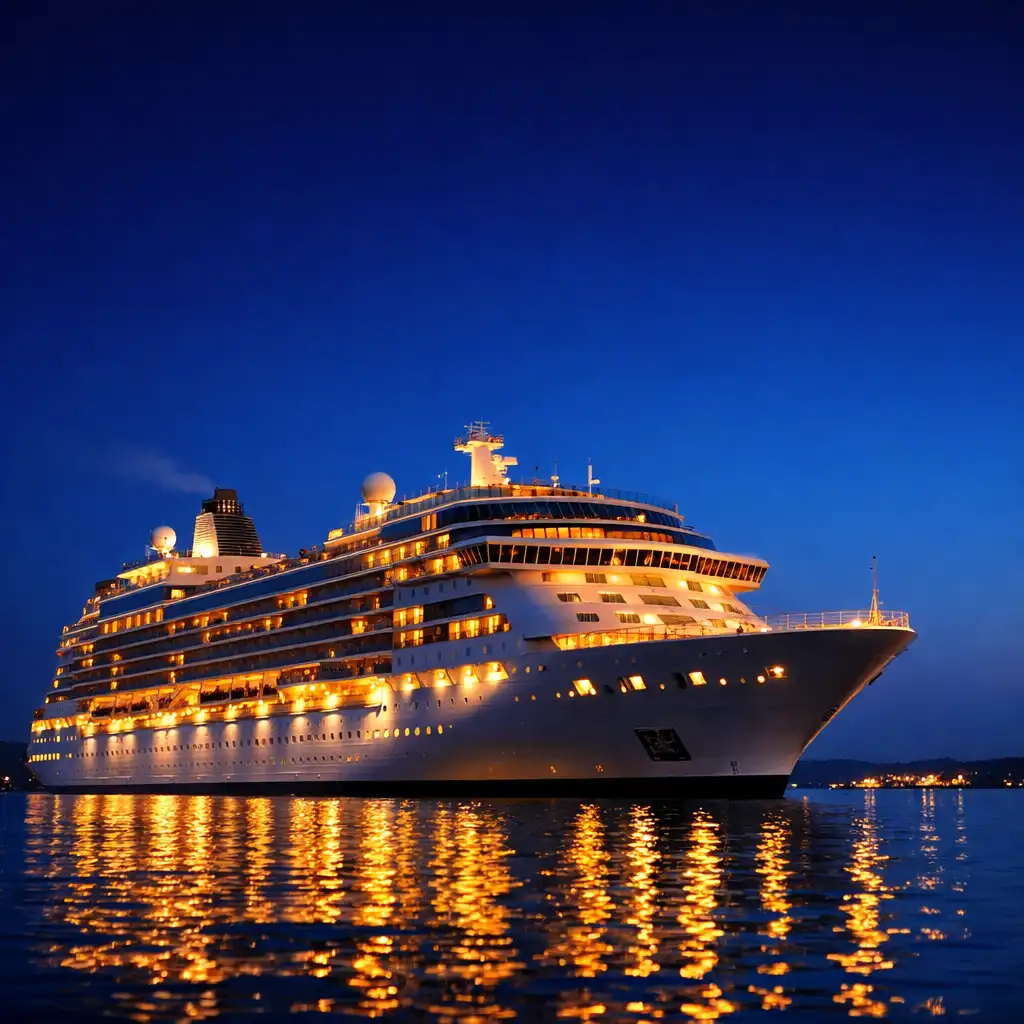
The Unseen Foundations of Luxury at Sea

Explore the engineering, environmental systems, and smart technology that keep modern luxury ships running smoothly from Auckland to Fiordland. This guide covers the essential infrastructure that discerning travelers should know about, and how to evaluate a ship's technical credentials before booking.

Plan Your Voyage

Engineering and Propulsion

How Luxury Cruise Ships Are Powered and Kept Stable

Beneath the polished decks and quiet lounges, a sophisticated network of propulsion, stabilization, and power-management systems works continuously. These technologies shape the comfort of every voyage, from gentle harbor departures to open-ocean crossings.

Propulsion Systems

Modern luxury ships use diesel-electric or LNG hybrid propulsion for efficiency and reduced emissions. Azipod systems allow for precise maneuvering and reduced vibration, while some new ships are equipped with shore-power connections to reduce emissions in port.
Stabilization

Advanced stabilizer fins and gyroscopic systems minimize roll, ensuring a smooth voyage even in rough seas. Retractable fin stabilizers are common on luxury vessels, and some ships use active ride-control systems that adjust in real time.

Power Management

Integrated automation systems monitor and distribute power efficiently across the ship. Energy management systems optimize fuel consumption, and backup generators ensure continuous power for essential services.

Environmental Stewardship

Managing Environmental Impact at Sea

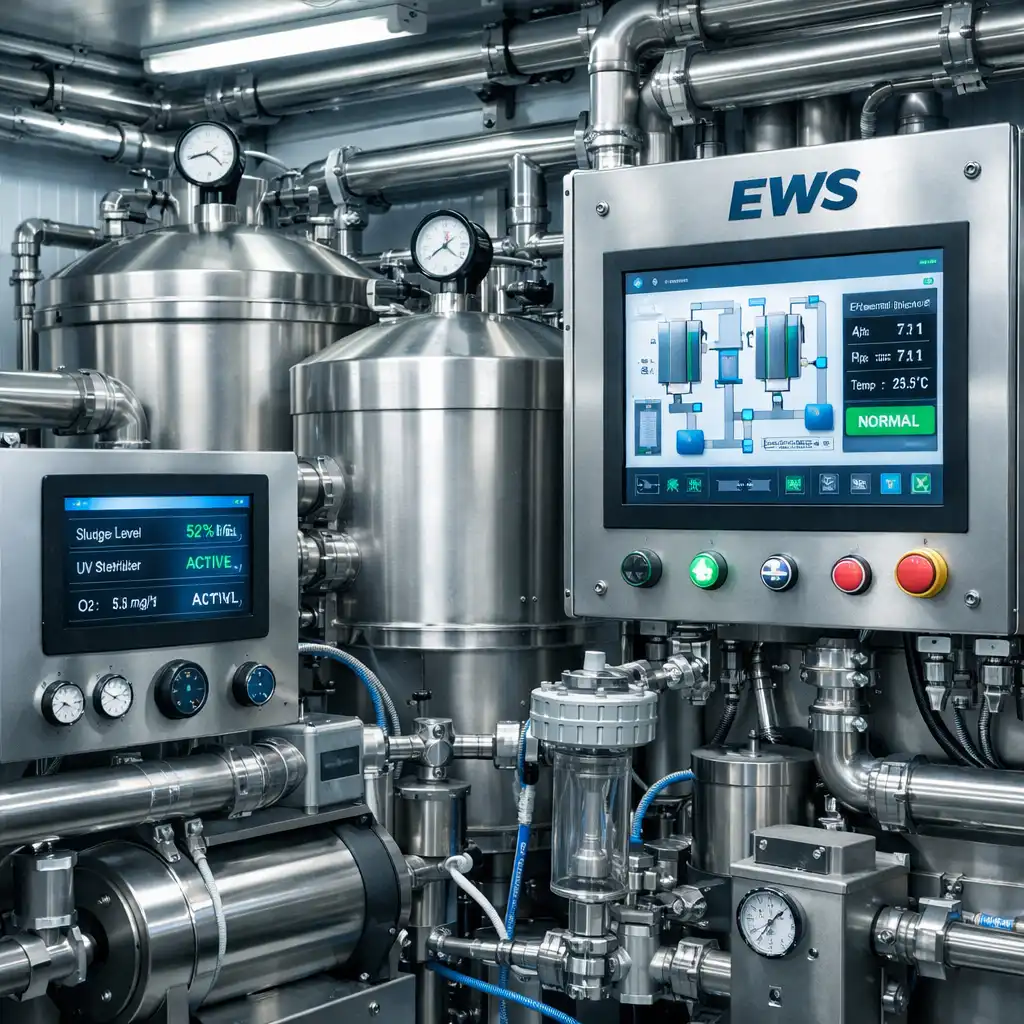
Responsible luxury travel depends on rigorous waste and emissions management. Modern ships are equipped with systems that treat water, reduce air pollutants, and support cleaner port operations.

Modern waste treatment plant on a cruise ship with stainless steel tanks and digital monitors

Waste Management

Advanced waste treatment plants process sewage and gray water to near-drinking-water standards before discharge. Solid waste is sorted, compacted, and offloaded at port. Some ships use incinerators for certain waste types, with strict emission controls. International regulations such as MARPOL require specific treatment standards, and many luxury lines exceed these baselines.

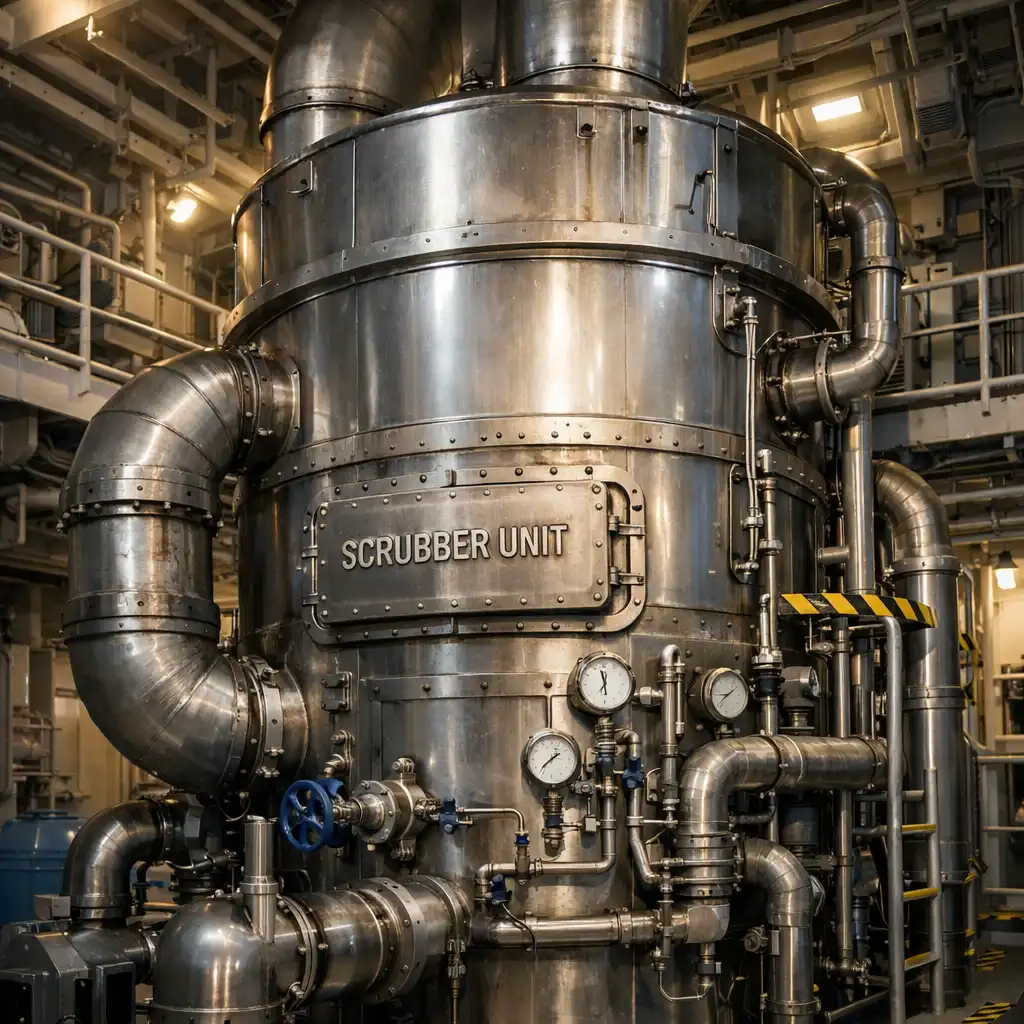
Emission scrubber system in a ship engine room with metallic pipes and valves

Emissions Reduction

Scrubbers and selective catalytic reduction systems reduce sulfur and nitrogen oxide emissions. LNG-powered ships produce significantly lower emissions, and shore-power connections allow ships to turn off engines while in port. Where available in New Zealand ports, shore-power capability further reduces local air pollution.

Safety and Medical Facilities

Safety and Medical Infrastructure Onboard

A luxury cruise ship is also a self-contained community with comprehensive safety and medical systems. These facilities are designed to respond quickly and discreetly, often exceeding regulatory minimums.

Life-Saving Systems

Ships are equipped with lifeboats, life rafts, and advanced evacuation systems that exceed regulatory requirements. Regular drills ensure crew readiness, and some ships use marine evacuation slides for rapid deployment. SOLAS regulations require specific life-saving capacity for every passenger and crew member.

Medical Center

A well-equipped medical center with qualified staff is available 24/7, capable of handling emergencies and routine care. Facilities often include intensive care units and isolation rooms. Telemedicine links to shore-based specialists are increasingly common, allowing remote consultations while at sea.

Fire Suppression

Advanced fire detection and suppression systems protect all areas of the ship. High-pressure water mist systems are used in passenger areas, and crew receive extensive firefighting training. These layered systems help contain incidents quickly and safely.

Connectivity and Smart Technology

Staying Connected and in Control

Modern luxury ships integrate satellite connectivity and smart systems to keep guests informed, entertained, and in command of their environment. These technologies work quietly in the background, enhancing the voyage without intruding on the sense of escape.

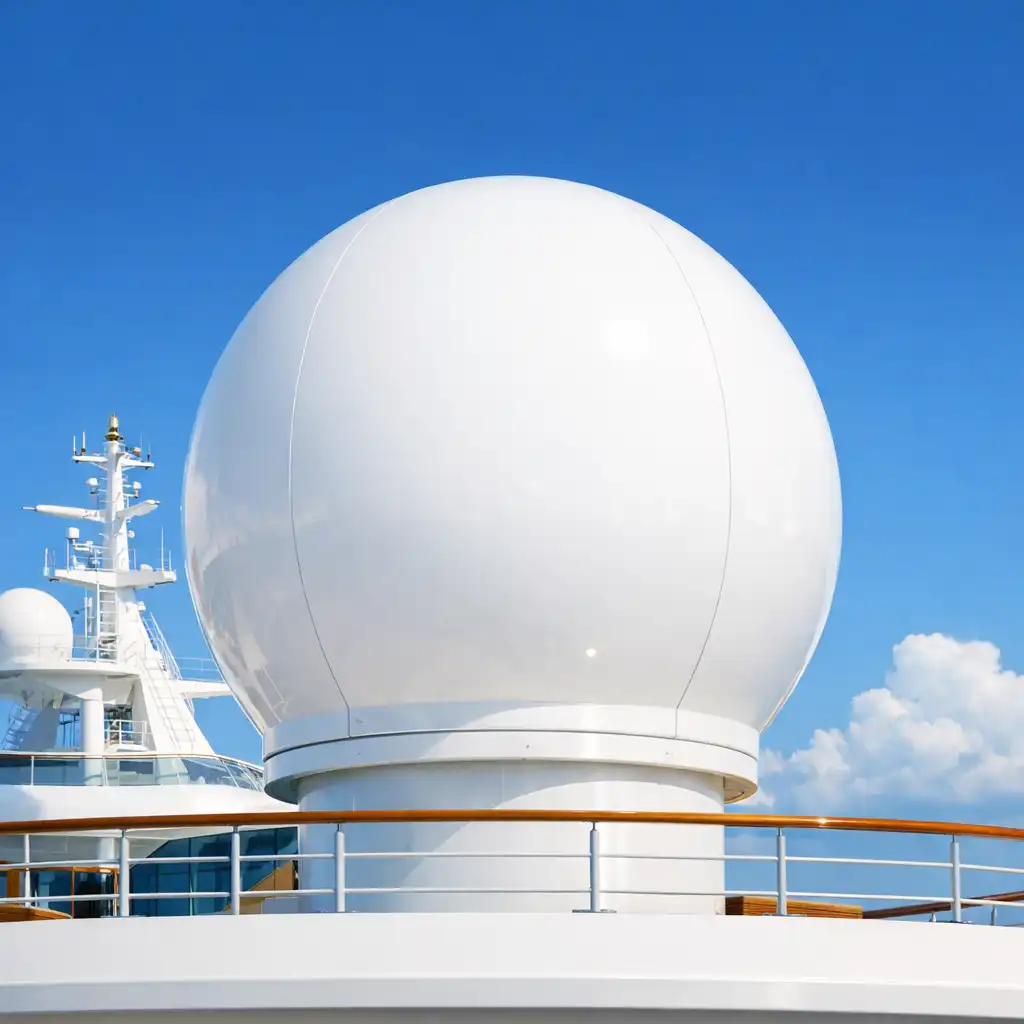
White satellite communication dome on the top deck of a luxury cruise ship against a clear sky

Satellite Internet

High-speed satellite internet, often via low-earth-orbit constellations, provides reliable connectivity even in remote waters. Bandwidth is shared, but luxury ships often offer premium packages. Coverage is generally available throughout the ship, including staterooms, allowing guests to stream, work, or stay in touch as they choose.

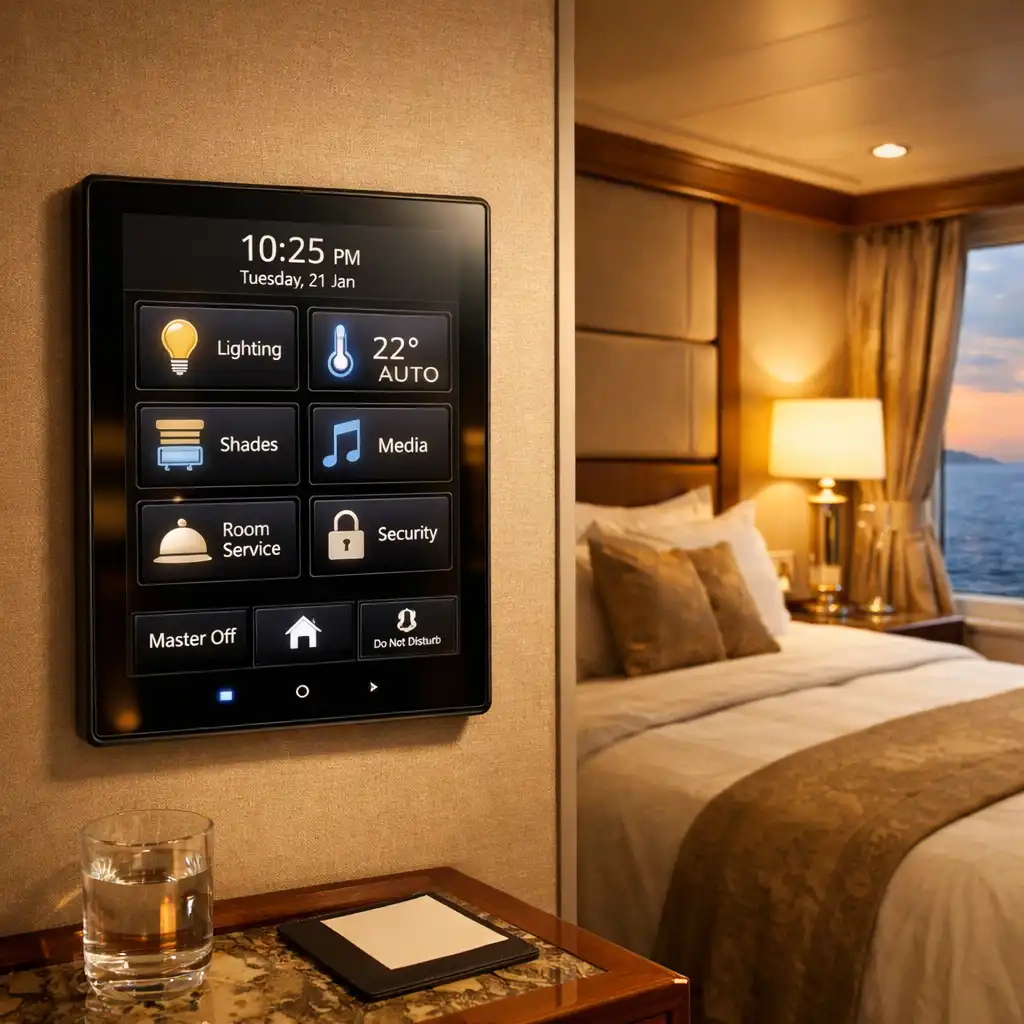
Luxury cruise ship cabin with a smart control panel glowing on the wall beside an elegant bed

Smart Ship Systems

Integrated apps and in-room tablets allow guests to control lighting, climate, and entertainment, and to book services. Some ships use wearable devices for keyless entry and payments. IoT sensors monitor environmental conditions for optimal comfort, adjusting temperature and air quality automatically.

Architectural and Design Elements

How Onboard Design Enhances the Luxury Experience

Infrastructure is not only functional; it shapes the aesthetic and spatial experience of a ship. Thoughtful planning, premium materials, and advanced environmental controls create an atmosphere of calm and privacy.

Space Planning

Luxury ships are designed with high space-to-guest ratios, ensuring uncrowded public areas and wide corridors. Atriums and multi-deck open spaces create a sense of grandeur, while stateroom layouts maximize privacy and ocean views.

Materials and Acoustics

Premium materials and advanced acoustic insulation reduce noise and vibration, creating a serene environment. Double-glazed windows and insulated walls minimize sound transmission. Use of natural stone, wood, and soft textiles enhances comfort.

Environmental Design

Lighting, climate control, and air filtration are engineered for comfort and well-being. Circadian lighting systems adjust color temperature throughout the day, and advanced HVAC systems maintain optimal air quality in every space.

Evaluating Infrastructure When Booking

How to Assess a Ship's Infrastructure Before Booking

A ship's technical credentials can be harder to evaluate than its restaurants or suites, but they have a direct impact on comfort, safety, and environmental responsibility. Consider the following points when comparing luxury cruise options.

  • Ship age and refit history: Newer ships often have more advanced systems, but a well-maintained older ship with a recent refit can also offer excellent infrastructure.
  • Environmental certifications: Check for certifications like ISO 14001 for environmental management, which indicate a structured approach to sustainability.
  • Shore-power capability: Look for ships with shore-power capability if sailing in New Zealand, as this reduces emissions in port.
  • Independent reviews: Read independent reviews that mention noise, vibration, and connectivity, as these are directly influenced by the ship's engineering.
  • Stabilization technology: If you are sensitive to motion, look for ships with advanced stabilizer systems and active ride control.

New Zealand Cruise Context

Infrastructure Matters for New Zealand Voyages

New Zealand's ports and protected waters place specific demands on cruise ship infrastructure. From shore-power investments to careful navigation in Fiordland, the technical capabilities of a ship shape the experience of sailing here.

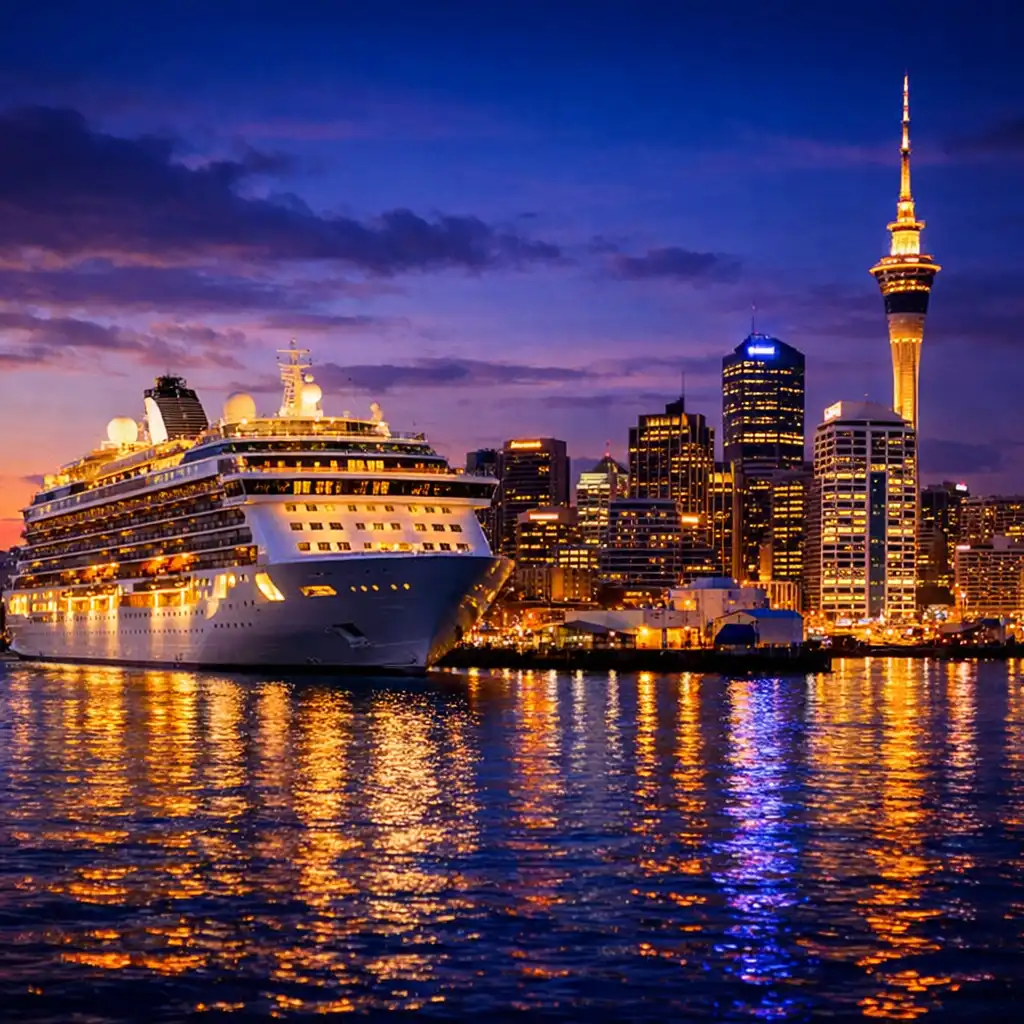
Auckland port at dusk with a luxury cruise ship docked and city lights reflecting on the water

Port Infrastructure

New Zealand ports like Auckland and Wellington are investing in shore-power and modern terminal facilities to support sustainable cruising. Auckland's port has plans for shore-power connections, and Fiordland's pristine environment demands strict environmental compliance from ships.

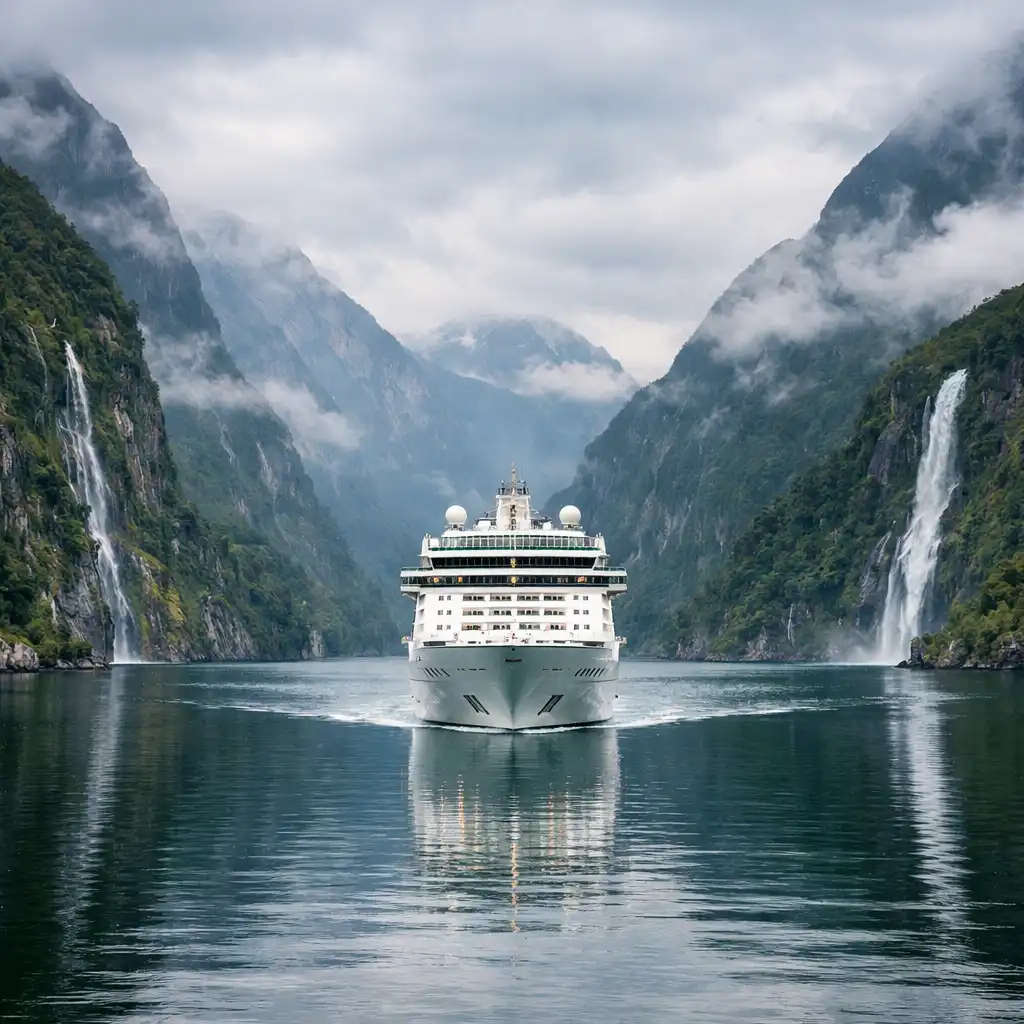
Luxury cruise ship sailing through a dramatic New Zealand fiord with steep cliffs and waterfalls

Scenic Considerations

Ships sailing in Fiordland often use advanced navigation and stabilization to ensure a smooth and safe passage through narrow sounds. Dynamic positioning systems may be used in sensitive areas, and reduced speed and emissions are common in protected waters.

Explore New Zealand Cruises

Ready to Experience the Pinnacle of Maritime Engineering?

Discover New Zealand cruise itineraries and plan your voyage. From the engineering beneath the decks to the design above them, the right ship can transform a journey into an unforgettable experience.

Plan Your Voyage